
What to Send Patients Before and After a Tooth Extraction, and When
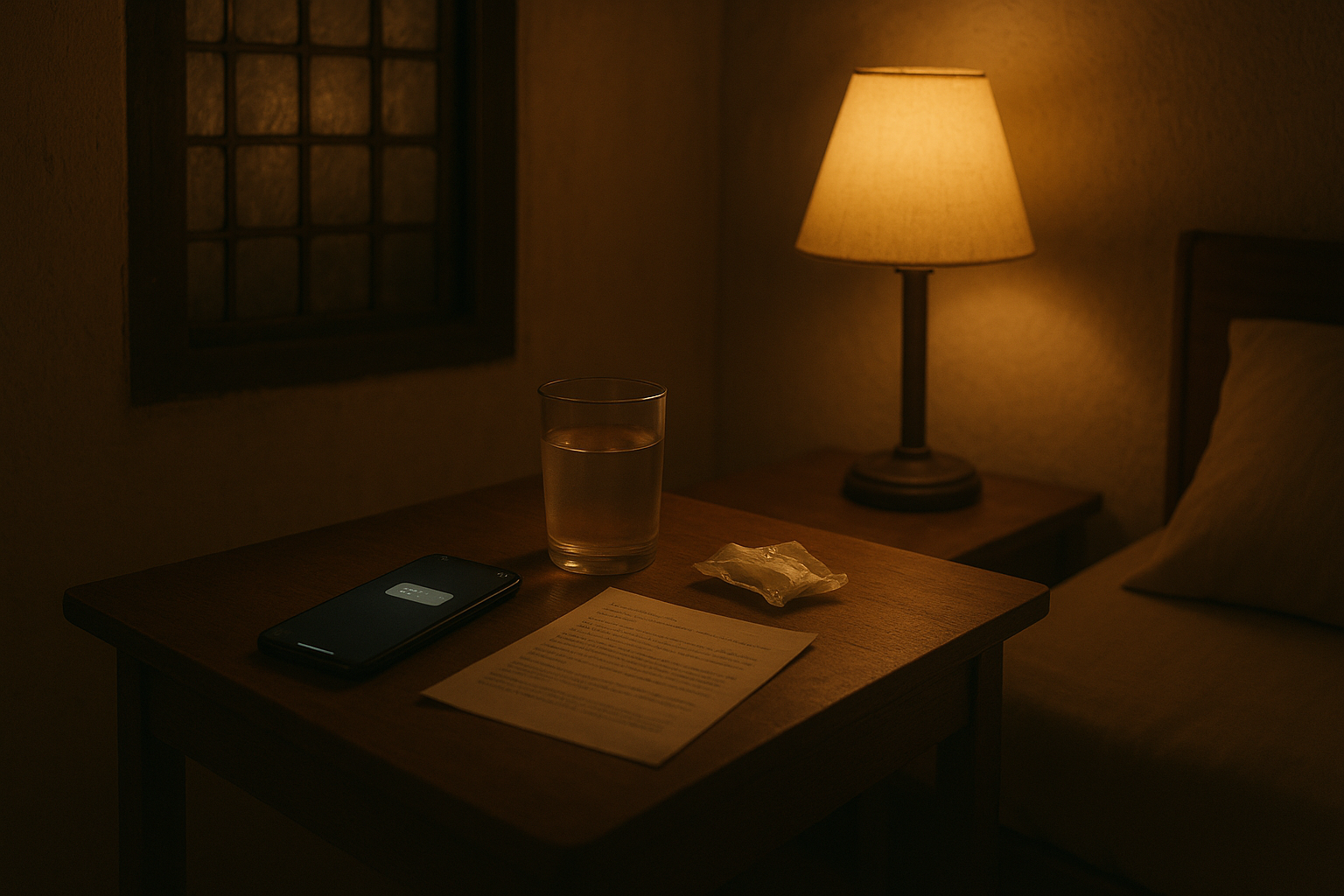
Mr Cruz's extraction is done by 3:40 on a Thursday afternoon. The dentist at Smile & Skin Clinic goes through the aftercare while he's still in the chair: bite on the gauze for 30 minutes, no spitting or rinsing today, no smoking, soft food, salt water from tomorrow. He nods. Half his face is asleep and he's thinking about the traffic back to Mandaue.
At 9:15 that night there's still blood in his saliva. He can't remember whether it was 30 minutes of biting or 30 minutes of waiting, and he's already rinsed once. He messages the clinic's Facebook page: "Doc, normal lang po ba na may dugo pa?" Nobody reads it until 8 the next morning.
The dentist didn't do anything wrong. Every instruction was correct. They just went to a numb, tired man at the one moment he couldn't use them, and he was always going to forget most of it. That's what the texts around an extraction are for. Each one puts an instruction in front of him at the hour he needs it, and tells him who to call when something looks wrong.
The short version
- The dentist writes the content. Every line of every message below should come from your dentist's own aftercare sheet. The desk and the software only decide when it arrives.
- Two or three days before: one text with what to bring and one medicine rule, "don't stop any medicine on your own". Early enough to get a medical clearance if the dentist asked for one.
- At the chair: say the aftercare, hand over the sheet, and book the stitches review before the patient stands up.
- The evening of the extraction: one text about bleeding, with a number someone answers at night. If you send only one message after an extraction, send this one.
- Day three: one text about pain that's getting worse instead of better. That's the dry socket window.
- Replies come to your Facebook page, not to your SMS. Decide now who answers a bleeding question at 9 PM, because it can't be the desk guessing.
Why saying it at the chair isn't enough
People forget most of what a clinician tells them. A widely cited 2003 review by Roy Kessels in the Journal of the Royal Society of Medicine puts it at 40 to 80% of medical information forgotten almost immediately, and almost half of what patients do remember is wrong. Oral surgery patients are the same. An older study of oral surgery patients, cited in a 2025 BMC Oral Health paper, found that 40% didn't remember being given any instructions at all.
And that's for patients who can feel their whole face. Mr Cruz has had a local anaesthetic, has a mouth full of gauze, and is thinking about the drive home.
How you hand over the post-extraction instructions matters less than you'd think. A 2015 randomised trial of 84 patients after lower wisdom tooth surgery gave instructions spoken, written, or with additional information, and found no meaningful difference in how well patients followed them. Smoking was the rule they broke most: only 45.6% of the smokers stayed off cigarettes for the week. So rewriting your leaflet won't fix it.
What does seem to help is contact after the patient goes home. In a 2020 trial from Valencia, patients who got a phone call on day three followed their instructions more closely than either group given written instructions alone. In a larger 2018 trial of 638 extraction patients, the ones phoned at 24 and 72 hours had about half the complication rate at their day-seven check, 15.7% against 30.7%. We went through that study, and what it does and doesn't prove, in how to automate patient follow-ups.
Both were phone calls from clinicians, and a text message is a lighter tool. I couldn't find a trial of SMS aftercare after an extraction. So the claim here is the modest one: a text puts the instruction in front of the patient on the evening it matters, along with a number to call. That's still more than the sheet in his pocket does.
The timeline
| When | How | What it carries |
|---|---|---|
| When the extraction is booked | In person, plus your usual confirmation | The prep sheet, and a medical clearance request if the dentist wants one |
| Two or three days before | SMS | What to bring, the medicine rule, the clinic number |
| The day before and an hour ahead | Your usual reminders | Time and place, nothing else |
| Before they leave the chair | Spoken, plus the sheet | The full aftercare, and the stitches review booked |
| The evening of the extraction | SMS | Bleeding, what not to do tonight, who to call |
| The next morning (optional) | SMS | Salt water rinses and brushing start today |
| Day three | SMS | Pain should be easing, and what to do if it isn't |
| About a week later, if there are stitches | Your usual reminders | The review visit |
That's three texts you write, plus one optional. Everything else is a conversation at the desk or a reminder you already send.
Before: the text that saves the slot
A patient can arrive on time for an extraction and still go home with the tooth. He needs a medical clearance and hasn't got one. He takes a blood thinner nobody asked about. Or he skipped his maintenance medicine that morning "to be safe", and the dentist decides to wait. Either way the slot is gone, he's lost half a day of work, and the tooth is still there.
Some clinics and public dental services here make a clearance a condition. The municipal health office in Angono, Rizal, for example, tells patients advised to have a tooth extracted that they need a medical clearance, or a certification that they have no history of conditions such as hypertension, heart disease, allergies or diabetes. Private clinics set their own rules, so your dentist decides who needs one.
Send it two or three days out
Not the day before. A clearance means seeing a doctor, and nobody gets a doctor's appointment at 6 PM for 9 AM the next day. Two or three days gives the patient time to get the paper, and to ask their own doctor about their medicines.
Keep it out of your normal day-before reminder. That one's job is the time and the place, and it should stay short.
What it carries
- The clearance, if the dentist asked for one, and a list of everything the patient takes, vitamins and herbal supplements included. Scotland's dental guidance body, SDCEP, asks patients to tell the dentist about all of it: prescribed, non-prescribed and herbal.
- One medicine rule. SDCEP's leaflet for patients on blood thinners puts it in bold: don't change the medicine for dental treatment unless your doctor, specialist or dentist tells you to.
- Whatever the dentist wants done that morning. Whether to eat first, and what to do about morning medicines, is the dentist's call. The text just carries the answer.
- The clinic number.
The same leaflet lists aspirin among those drugs. A patient who takes a small aspirin every day for their heart may not think of it as a blood thinner, so when the extraction is booked, ask about aspirin by name.
Here's the text, at 152 characters:
Smile & Skin Clinic: Hi Mr Cruz, for Thursday please bring your medical clearance and a list of all your medicines. Don't stop any medicine on your own.
Drop the clearance line for patients who don't need one, and use the room for the dentist's morning instruction instead.
The SMS samples in this article leave out the peso sign and use straight apostrophes, and each one fits in a single 160-character text. Why that matters, and what breaks it, is in dental appointment reminder SMS templates. Count again once you've put in your own clinic name and number.
At the chair: say it, hand it over, book the next visit
Every message after the extraction repeats something the patient should have heard at the chair, so this part has to be right first.
Say it in the patient's language
Kessels' review found that simple statements are remembered better than complicated ones, and that written instructions are harder for patients who don't read easily or are reading in a second language. Keep the sentences short, and say it in Bisaya to a Bisaya speaker.
Hand over one sheet that matches your texts
The sources don't agree on the details. The UK's Oral Health Foundation says to bite on gauze for 20 minutes if bleeding continues. A Lancashire NHS hospital leaflet says 30. That's fine. What isn't fine is a sheet that says 20, a text that says 30 and a receptionist who says "mga isang oras". Pick your dentist's number and use it everywhere.
What goes on the sheet is the dentist's decision, but the leaflets I read cover the same ground:
- Bite on the gauze for the time the dentist sets
- No spitting or rinsing on the day itself
- No smoking, for as long as possible
- Soft, cool food while still numb, chewed on the other side
- Brush the next day, gently around the area
- Warm salt water rinses after meals from the next day. The Lancashire leaflet uses one teaspoon of salt in a cup of warm water
- The painkiller the dentist prescribed, at the dose on the label
- What to do if it bleeds, and who to call, including after hours
Book the review before they stand up
If there are stitches, the next visit goes in the book at the chair, while the patient is still in the building. Your usual reminders handle it from there.
The first-night text
This is the one to send if you send nothing else. Bleeding questions tend to come on the evening of the extraction, after the clinic has closed, and at that moment the patient needs two things: the instruction he forgot, and a name to call.
Send it in the early evening, around 6, when he's home and the anaesthetic has probably worn off.
Smile & Skin Clinic: Mr Cruz, if it bleeds, bite on clean gauze for 30 mins. No spitting, rinsing or smoking today. Still bleeding? Call 0917 123 4567
That's 150 characters. In Tagalog, for Ms Reyes, at 157:
Smile & Skin Clinic: Ms Reyes, kung dumugo, kagatin ang malinis na gauze nang 30 mins. Bawal muna dumura, magmumog o manigarilyo ngayon. Tawag: 0917 123 4567
The UK leaflets send patients to NHS 111 out of hours. Patients here have nothing like that for a dental problem, so the number in the text has to be one that somebody answers at night: the dentist's own mobile, or whatever the dentist has agreed to.
Some patients need a different line. The Lancashire leaflet tells patients on blood thinners, or with a clotting disorder, to go to a hospital emergency department if the bleeding won't stop. If your dentist wants the same, write a separate version of this text for those patients.
The next morning, and day three
The next morning, if you want it
Salt water rinses and brushing start on day two, and a short text that morning is a fair reminder:
Smile & Skin Clinic: Good morning Mr Cruz. From today, rinse gently with warm salt water after meals, 1 tsp salt per cup. Brush gently around the area.
If your clinic already sends a general check-in the day after every visit, let that one cover the morning and skip this. Two texts before lunch about the same tooth is one too many.
Day three
Don't skip this one. A dry socket, where the clot fails to form or comes away, usually shows up three to five days after the extraction, according to an East Sussex NHS leaflet. That leaflet lists a throbbing ache, bad breath and a bad taste. The Oral Health Foundation adds pain that spreads to the ear or the side of the face, and its rule for patients is simple: if the pain is getting worse rather than better, call the dentist.
Smile & Skin Clinic: Hi Mr Cruz, the pain should be easing by now. If it's worse, spreading to your ear, or there's a bad taste, call us today: 0917 123 4567
Send it mid-morning, during clinic hours, so someone's there to pick up when he calls.
When the patient writes back
A text from a sender name like SMILESKIN is one-way. If he replies to it, the reply goes nowhere and nobody at the clinic sees it. That's why every sample above gives a phone number instead of asking for an answer.
What he's more likely to do is message your Facebook page, in the evening, with something like "normal lang po ba 'to?" Decide now who handles those. It's a clinical question, and the desk isn't qualified to answer it. "Normal lang po 'yan" from a receptionist is a diagnosis, even when it's kindly meant.
What the desk can do is pass it to the dentist straight away, repeat what's already on the sheet, and give the number. Something like:
Hi Mr Cruz, si Jen po ito. Ipapasa ko na po kay Doc ngayon din. Habang naghihintay, kagatin po ulit ang malinis na gauze nang 30 minutes. Kung hindi pa rin tumitigil, tawagan po si Doc sa 0917 123 4567.
If your page has an away message for after hours, put the after-hours number in it. There's more on getting the tone of replies like this right in how to write Taglish Messenger replies that still sound professional.
What stays out of every text
Drug names and doses. A template goes to everybody. The Oral Health Foundation tells patients not to take ibuprofen if they've been told to avoid it, for asthma or stomach problems for example. SDCEP warns that aspirin and ibuprofen can make patients on blood thinners bleed more. A text saying "take ibuprofen every 6 hours" reaches all of them. Write "the painkiller Doc prescribed" and leave the drug on the prescription.
Reassurance. "Normal lang po ang konting sakit" in an automated message is a clinical opinion, sent to a patient nobody has looked at.
A request to reply. It goes nowhere, as above.
The instructions behind a link. A link to a PDF asks a patient with a mouth full of gauze to open a file on prepaid data. Put the instruction in the text.
The procedure name on a shared phone. Plenty of patients give the clinic a parent's or a spouse's number, and health information is sensitive personal information under the Data Privacy Act. Ask at booking whose phone it is. None of the samples above say "extraction" for that reason. More in what the Data Privacy Act means for clinics messaging patients.
Anything promotional. A patient icing his jaw on day two doesn't want a whitening offer.
Common mistakes
- Sending the prep text the day before, when it's too late to get a clearance.
- Letting the sheet, the texts and the front desk give three different numbers for the same instruction.
- Sending the aftercare text at 10 PM, after the patient has already had to ask.
- Treating the day-three text as optional. It's the one timed for a dry socket.
- Letting anyone but the dentist answer "is this normal?"
- Forgetting to cancel the pending texts when an extraction is postponed.
Where OtterFlow fits
The aftercare sheet, the conversation at the chair and every clinical answer stay with your dentist. OtterFlow takes the part that depends on somebody remembering to send something at the right hour.
When Mr Cruz books his extraction, the confirmation SMS goes out straight away, and reminders follow the day before and an hour ahead.
The extraction-specific texts go out as one-off reminders. When the extraction is booked, Jen sets one for two days before with the prep text. At checkout she sets two more: one for 6 PM that day with the first-night text, and one for 10 AM on day three. Save each one as a draft, and next time it's a click and a date. The field-by-field setup is in recurring patient SMS reminders.
Two limits to know about. The check-in OtterFlow sends after every visit is one message for the whole clinic, so cleaning patients get it too. Keep it general and let the one-offs carry the extraction lines. And a one-off reminder doesn't watch your appointment book. If the extraction moves, move or delete its pending texts, or Mr Cruz gets a prep text for a Thursday that's no longer happening.
If he messages your page at 9 PM to ask whether the bleeding is normal, Flo, our AI front desk, won't answer. It's a clinical question, so Flo says so and hands the conversation to your team. That's how it should behave. It also means nothing in the software can tell him what to do at 9 PM, which is why the number in the first-night text matters.
We set it up around your clinic's own services, hours and wording, and you can see the whole flow on the home page. Setup: ₱0. Then 4,975 a month.
Questions clinics ask
Do simple extractions and wisdom tooth surgery get the same messages?
Same timeline, different content. Surgical cases usually have stitches, so they get a review visit, and the dentist may want more said about swelling. The East Sussex leaflet lists lower wisdom tooth removal and smoking among the risk factors for dry socket, so the day-three text matters most for those patients.
What about patients who don't have a phone of their own?
A text works on any phone, smartphone or not. If the patient uses a family member's phone, ask whose it is and keep the texts free of procedure names. For an elderly patient, give the sheet to whoever came with them and go through it with that person too.
Start with tonight's text
If you change one thing this week, write the first-night text with your dentist, and make sure somebody answers the number in it after 6 PM. Then add the day-three check. The prep text comes third. It saves the occasional slot, while the other two reach every extraction patient on the nights they're most likely to need you. If you'd rather have the timing run for you on your own clinic's details, the 15-minute call below is the place to start.